Ensuring the quality of an expandable container house purchased from China requires a proactive, multi-stage strategy that goes beyond just relying on the supplier's word. The highest quality control is achieved by combining Detailed Contractual Requirements with Third-Party Verification.
Here are the most effective methods to guarantee product quality:
The first step is establishing non-negotiable quality requirements in your Purchase Contract and Specification Sheet.
| Area | Quality Control Requirement (Ask for)** | Why it Matters |
| Steel Frame | Specify Hot-dip Galvanized Steel with a minimum thickness of 2.5mm. | Prevents rust during long sea transit and ensures the structural integrity of the house for decades. |
| Insulation | Specify Rock Wool or PU (Polyurethane) with a minimum density and thickness (e.g., 50kg/m³ density, 75mm thickness). | EPS (polystyrene) is cheap, but rock wool/PU provides superior thermal insulation, soundproofing, and fire resistance. |
| Welding | Demand Weld Inspection Standards (e.g., all main structural welds must be continuous, not spot-welded). | Welding quality directly affects the house's stability, especially at the folding joints. |
| Waterproofing | Require a Pressure Water Spray Test on the fully assembled unit before shipment. | This is the only way to confirm that the critical folding seals and window/door seals won't leak upon installation. |
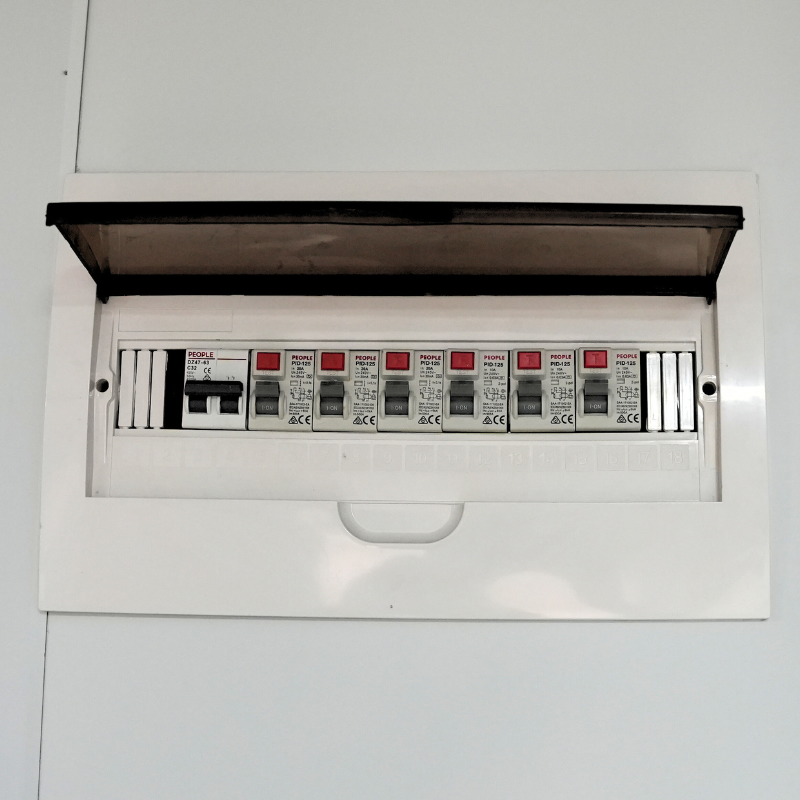
| Electrical | Mandate the use of components with your local certification (e.g., UL, CE, or SAA certified wires/sockets). | Crucial for safety and passing your local building inspection. |
| Spare Parts | Require a specific list of spare parts to be included (e.g., extra EPDM seals, matching touch-up paint, adhesive/sealant cartridges). | Small parts can be damaged during transit, and replacing them internationally is very slow and costly. |

Relying solely on the factory's internal QC is risky. Hiring an independent, third-party inspection company based in China is the most effective way to guarantee quality.
Purpose: To verify the factory's capability, certifications, and past performance before placing the main order.
What they check: Business licenses, ISO 9001 certification, production capacity, in-house QC procedures, and export history.
Timing: When 30-50% of the production is complete (e.g., frames are welded, insulation is being installed).
Focus: This is the most critical check. The inspector verifies the raw materials (e.g., measuring the steel thickness, confirming the insulation type/density). This prevents the factory from using cheaper materials behind the walls.
Timing: When 100% of the order is completed and fully assembled, but before it is packed into the shipping container.
Focus:
Water Test: Witnessing the mandatory pressure spray test.
Functionality: Opening and closing all folding mechanisms, doors, and windows.
Finish: Checking for scratches, dents, misalignments, and verifying the interior finishes.
Quantity Check: Ensuring all ordered parts (cabinets, toilets, spare parts) are ready.
Purpose: To ensure the correct number of items are loaded, and they are secured properly to prevent damage during the 4-8 week sea voyage.
What they check: Quantity verification, proper securing/blocking inside the container, and sealing the container with a unique numbered seal.
| Stage of Purchase | Quality Guarantee Action |
| Contract Phase | Finalize a detailed Specification Sheet and explicitly state the Third-Party Inspection will be required at your cost. |
| Initial Due Diligence | Pay for a Factory Audit to confirm the supplier's legitimacy and capability. |
| Production Phase | Schedule a During Production Inspection (DPI) to verify the structural materials (steel and insulation). |
| Completion Phase | Schedule a Pre-Shipment Inspection (PSI) to witness the mandatory Water Test and functionality check. |