Taxes feel confusing and tiny homes make the question even bigger in your head. You might look at a capsule house and think the same thing many people think: Do I still pay tax on this or do I get a break because it’s small?
Across countries and regions, tax rules vary, but the status of your capsule house often depends on how it is installed and used.
Let’s look at the main factors that decide whether you owe taxes on a capsule house.
You should check several things about your capsule before worrying about taxes:
Fixed or movable: Is your capsule on wheels or trailers or is it bolted down? Moveable units are mostly treated differently from fixed homes.
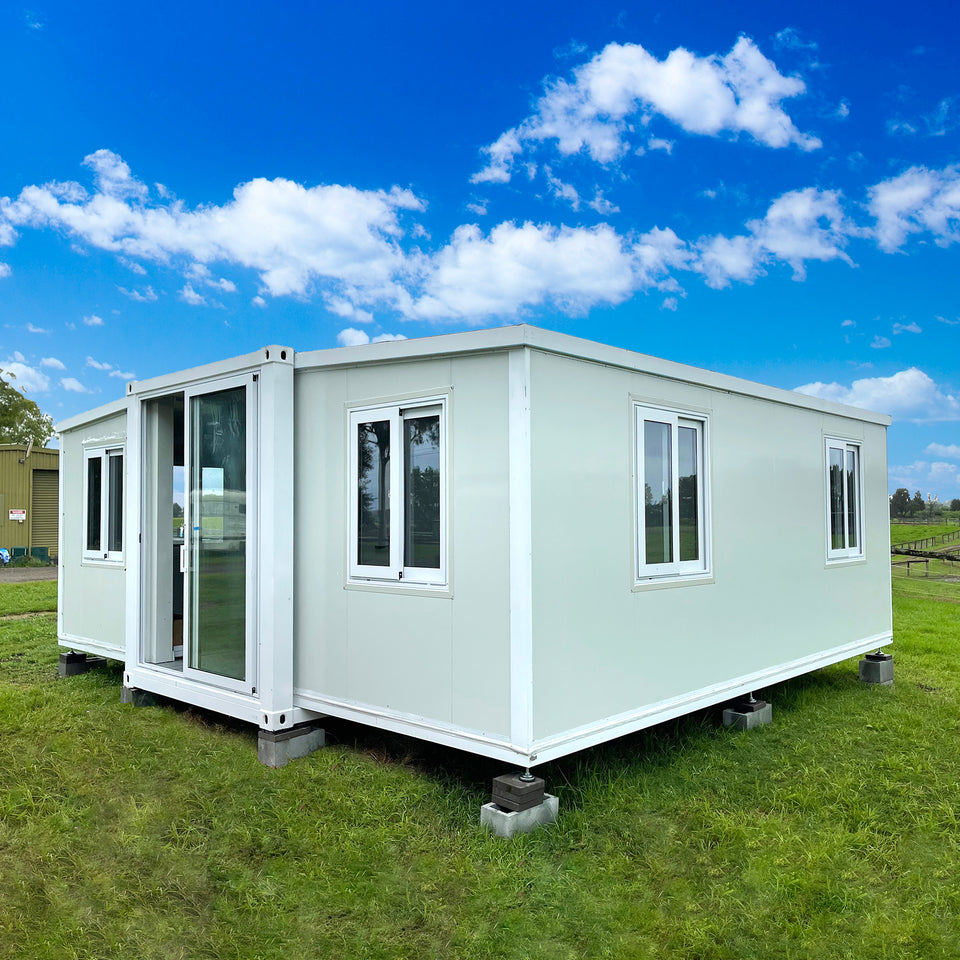
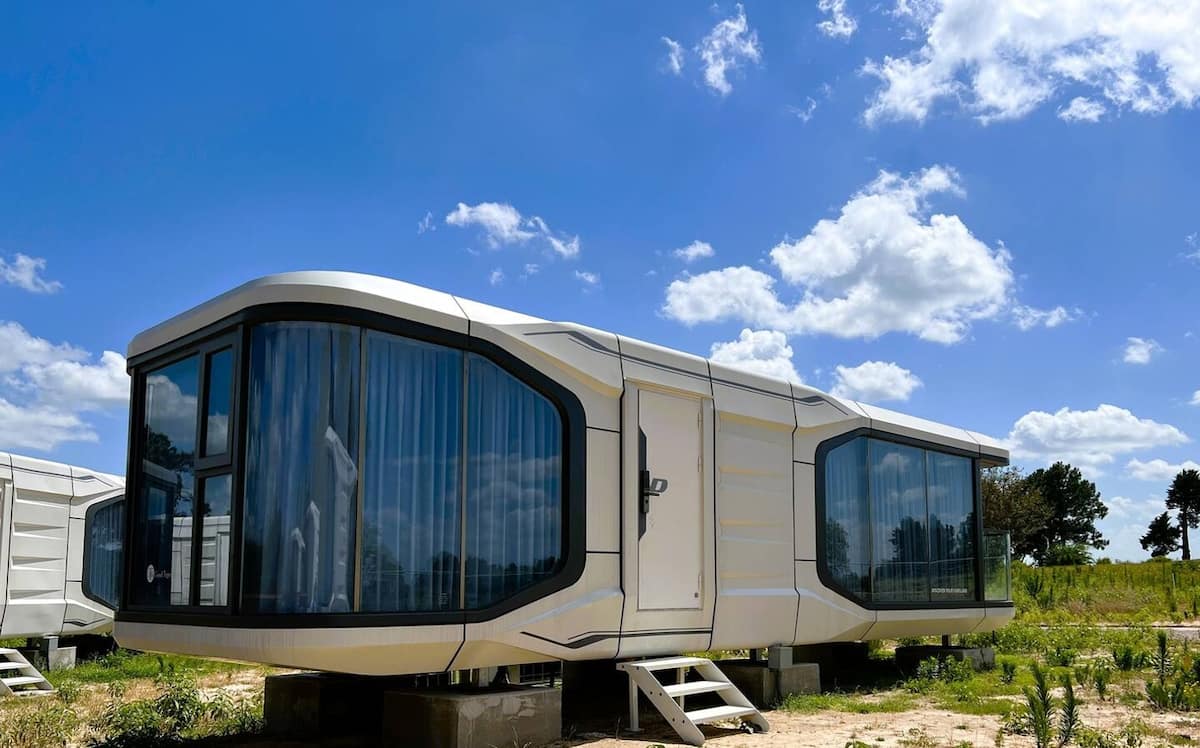
Foundations vs. simple footings: If you have poured concrete foundations, many places treat the unit like a permanent building. Simple blocks or piers may keep it in a more portable category.
Utilities connected: Are water, power, sewer or gas hooked up permanently? A fully hooked up unit often counts as a real building in the eyes of tax authorities. A self contained unit without permanent hookups might avoid that.
Land zoning: What is the land zoned for? Like, residential, commercial, agricultural or tourism use. A capsule on land zoned as a dwelling may get regular property taxes. While one on farm or commercial land may have different rules.
Use case: Do you live in it yourself? Or do you run it as a rental/short stay cabin? If it’s for business (like a glamping site), extra taxes or business rates may apply. If it’s just your own home, you usually only face the taxes tied to your property.
These factors work together. For example, a capsule on a foundation with utilities in a residential zone, used as a rental, will be taxed much like a small house. But one on blocks with no permanent hookups on farm land may be taxed lightly or not at all.
Capsule houses can trigger several types of taxes, depending on where you are:
Property tax (real estate tax):
If the pod is fixed as part of your property, many countries levy annual property tax on it. A permanently set up capsule will usually be assessed as real property.
Land use tax / local rates:
Even if the pod is not taxed itself, local councils mostly charge rates on any improvements. A pod on your land may increase your council or land tax bill.
Sales tax, VAT or GST on purchase:
Buying a capsule house often incurs sales taxes. For example, many EU countries add VAT (20-25%) to the sale price of a prefab home. In Australia and the US, you may pay state sales tax or federal GST (10% in Australia).
Business tax for resorts/hotels:
If the pod is used commercially (glamping, hotel cabins, rental huts), business taxes and permits can apply. In the US some states impose a business tangible property tax on resort equipment. In Australia and Europe, you must report it as business income and pay any applicable business taxes.
Tourist or occupancy taxes:
If you rent the capsule short term, many regions force you to collect a lodging or tourist tax from your guests. These go by names like “hotel tax” or “tassa di soggiorno” and are common in Europe and North America.
In short, you might face some or all of these taxes.
In the US, taxes on a capsule home hinge on how it’s classified. Generally:
Movable vs. real property:
A capsule home that you can tow or move on simple footings is usually personal property, not real estate. You won’t pay real estate tax on it, though your state might have a personal property tax or use tax. If you permanently affix it to a foundation on land you own, it becomes real property like a normal home. Then you pay local property taxes on the combined land-plus-capsule.
Utility hookups:
If you hook up utilities as if it were a house (sewer, water, electricity), authorities are more likely to call it part of the real property. Without hookups, it looks more like an RV or trailer.
Sales and use taxes:
When you buy a capsule house, sales tax usually applies unless it’s a special construction sale. If the seller treats it as a home placed on land, some states still charge sales tax on the building materials. These rules differ by state. A tax attorney notes that “whether your pod is personal property or an improvement to real property can change your tax by up to 50%”, so classification really matters.
Business use:
If you run the pods as part of a campground or rental business, you may owe a tangible personal property tax on the structures (like any business asset). Also you’ll report rental income and expenses on business returns.
Occupancy taxes:
Many cities/counties in the US have short term lodging taxes (hotel or motel tax). If you rent your capsule house for night (via Airbnb or at a resort). Then you must collect and remit these taxes.
Thus, ask your local tax office or accountant. If they see the pod as a vehicle (personal property), you’ll avoid property taxes. If they see it as a little house (real estate), you’ll pay property tax.
Across Europe, tax treatment varies by country but follows similar ideas about permanence. In general:
VAT on purchase:
Most EU countries require VAT on selling prefab homes. Standard VAT might be around 20%. For example, Spain applies 10% VAT to prefabricated homes (same as regular houses). But if the unit is a mobile home in a campground, it gets the full 21% VAT. In many places, if you buy the capsule as a house, you pay the reduced rate; as movable goods, you pay higher sales tax.
Property/council taxes:
If your capsule is permanently installed, local governments often treat it like a small house. You would then pay annual municipal property tax or local rates on it. For purely moveable pods (no foundation), you usually avoid annual property tax.
Tourist/occupancy taxes:
Europe is famous for lodging levies. Italy, for example, charges each tourist a nightly “tassa di soggiorno” on hotels, B&Bs and campsites. Spain, France, Germany and others have similar tourist taxes for overnight stays. If you rent a capsule house on your land to visitors, expect to collect the local tourist tax (often a few euros per person per night).
Local differences:
The rules can differ by country. In Germany, some cities charge an “accommodation levy” (Beherbergungssteuer) on short stays. In the UK, glamping pitches and tiny holiday homes are subject to standard 20% VAT if the operator is VAT registered. In Eastern Europe, similar principles apply: fixed pods get property tax, moveable ones only VAT on sale, plus any local visitor fees.
Because Europe has so many regimes, it’s wise to check the specific country. But remember: if it acts like a building (on foundations, utilities), many governments will tax it like one.
Australia also splits tax treatment by how “built-in” the capsule pod is:
GST on purchase:
When you buy a capsule house (even if it’s delivered and installed), the sale is usually a taxable supply for GST. That means you will pay 10% GST at purchase (unless the seller is exempt). Even if the unit is moveable, GST still applies to the sale of the home.
Council rates (property tax):
If you attach the capsule house permanently (like a granny flat), your local council will treat it as an improvement on your land. The land and home will be assessed together for council rates. On a primary residence, you simply pay higher rates. But, on an investment property, the rates can be deducted as an expense. A truly portable pod on your rural property may avoid extra rates. As it’s not considered a fixed structure.
State variations:
Each state/territory can have different rules. Some councils in NSW or QLD may fast track permits or treat pods as temporary dwellings. Always check your specific local council. For example, a kit home on piers might be exempt from rates until it’s fixed down.
Business reporting:
If you run glamping or eco tourism with capsules, then you must register for GST once your turnover exceeds the threshold. You’ll report the pod units as part of your business assets and remit GST on rental income.
In short, in Australia you’ll likely pay GST when you buy the capsule house.
Glamping resorts and cabin rentals often play smart tax games:
Keep units movable: Many operators set their pods on decks or platforms that are not “fixed” foundations. That way the unit stays classed as movable property, not a permanent building. By doing this, the units themselves avoid some property taxes.
Capitalize, don’t build: Resorts mostly list the capsules as capital equipment or stock, not as new buildings. They depreciate them as assets rather than report them as structures.
Land tax is still due: The land under the pods is usually taxed normally (land tax or property tax). If the resort owns the property, they pay the land tax, but the cabins may be treated as removables.
Utilities and decks: If a pod gets a solid deck, stairs and permanent power/water lines, sometimes authorities insist it is now a fixed building. In that case, the site may incur building assessments or higher rates. Resorts try to avoid permanent hookups to dodge that.
Occupancy/tourist taxes: Even if the pods themselves aren’t taxed, resorts must collect any local short stay taxes. For example, if your glamping guests stay overnight, you charge whatever local lodging tax applies and pass it to tax authorities.
Thus, how you classify a modular unit can swing your taxes hugely. Resorts use classification, depreciation and legal structure to minimize tax, but they can’t avoid everything.
Take these steps to be sure you’re following the rules:
Check local rules: You have to look up how your state/province considers movable homes. Terms like “modular home,” “moveable dwelling” or “portable structure” may be regulated differently. Many tax or revenue websites have FAQs on prefab homes.
Verify installation status: Decide if your capsule is “improvements on land” or not. Are there building or plumbing permits? If yes, it’s probably taxable as real estate. If not, it may be portable property.
Assess utility connections: Note whether water, sewer, electricity lines to the pod are permanent. If they are buried or hardwired, that often counts as fixed installation.
Check zoning and permits: You have to confirm that your land use (residential vs. commercial) is approved for the capsule house. Also, if you plan to rent it out, then make sure you have hospitality or campsite approvals. Because zoning violations can trigger taxes or fines.
Understand lodging taxes: If you rent short term, find out if there are occupancy taxes in your city or county. In the US these taxes may be called “hotel tax” or “bed tax”. And, in Europe or Australia, check for “tourist levy” or similar.
Consult professionals: When you are in doubt, talk to your local council or a tax adviser. Each region can have unique rules. And a local expert can inspect your specific setup and tell you if it’s taxed as a home, a vehicle or business property.
By following these steps, you make sure you pay exactly what’s due.
You won’t always pay the same taxes on a capsule house as on a traditional home. In many cases, you can avoid some taxes (like full property tax) by keeping the pod portable. But you usually do pay sales tax or VAT when you buy it. And you must follow local land and lodging taxes if it’s fixed or rented out. The key is knowing how your government sees the capsule: as a house or as a piece of equipment.
If a capsule house seems like a good next step for you, you can look into our capsule house models that line up with your budget and your local tax laws.