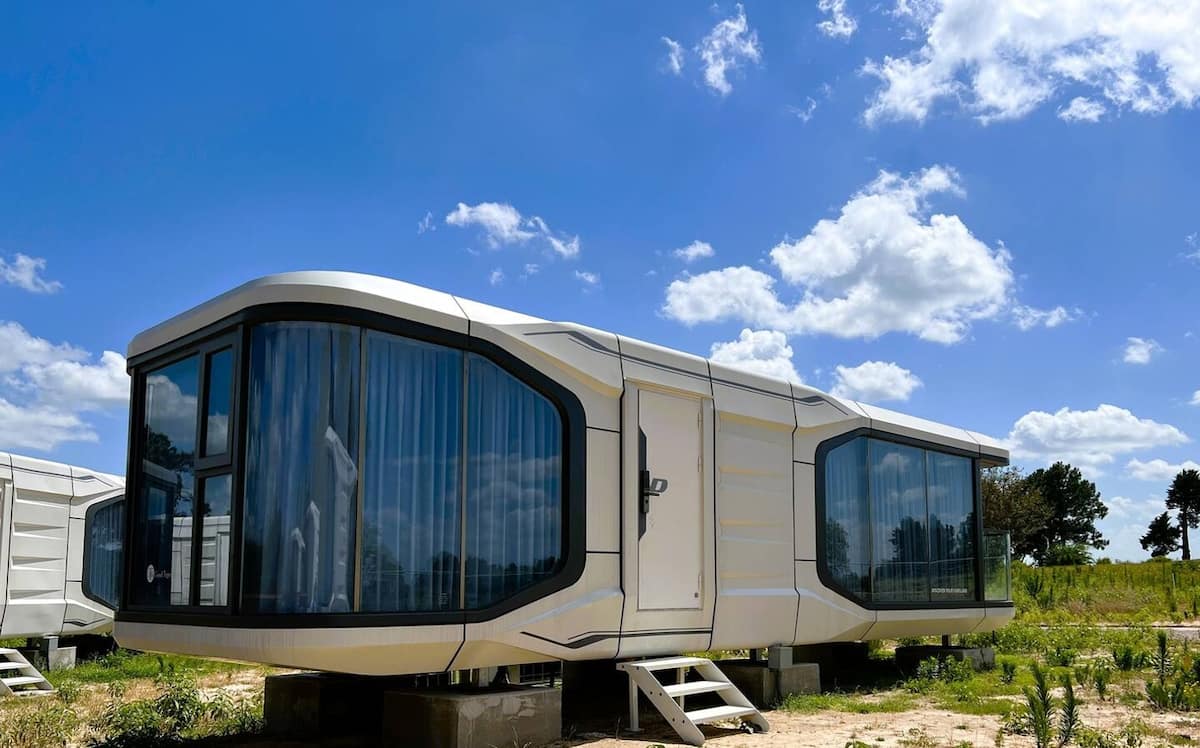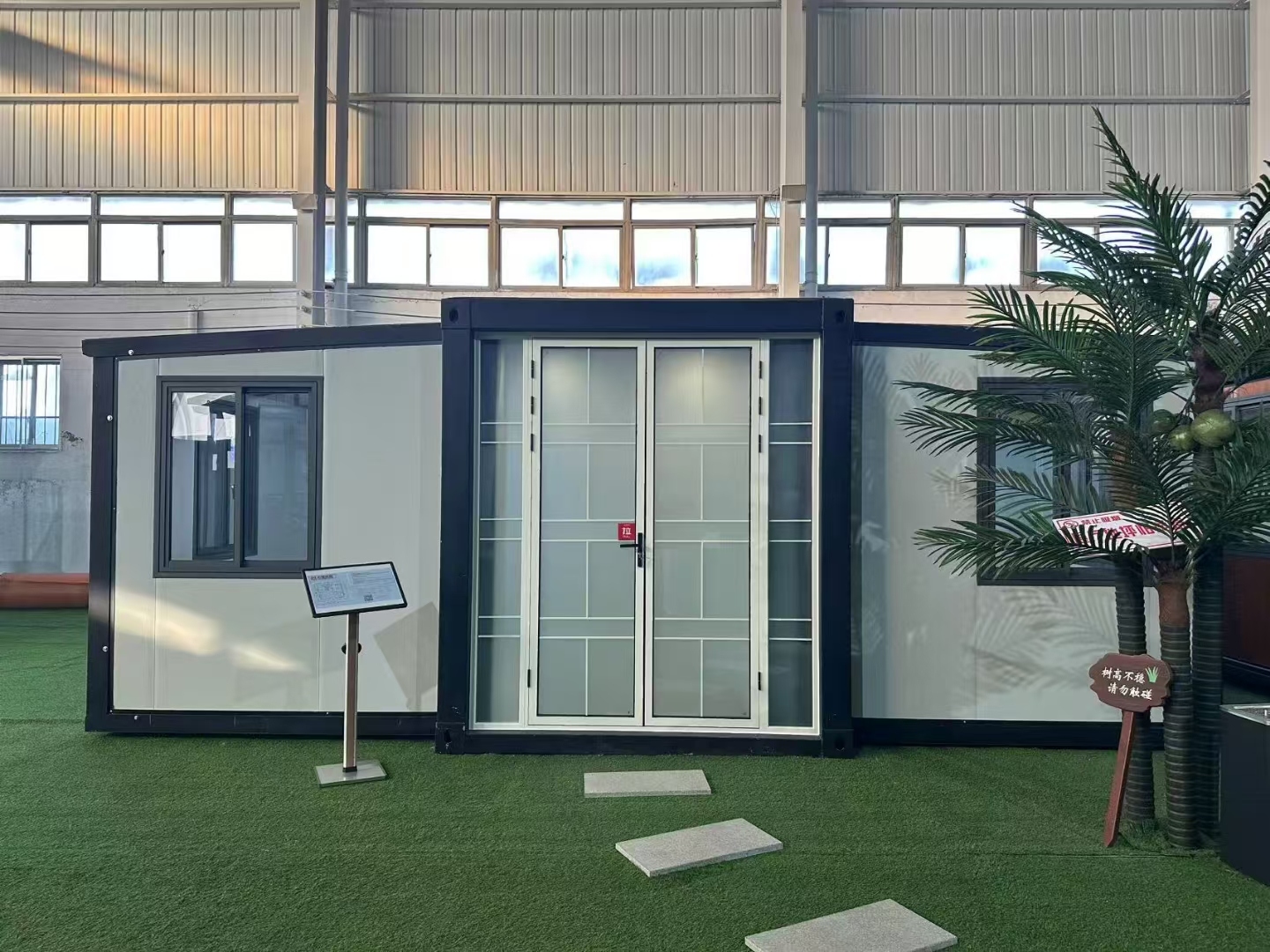
Buying an expandable container house from China can offer excellent value, but it is a complex process involving logistics, compliance, and strict quality control. If you buy a low-quality unit, you will likely face issues like leaking, rusting, and poor insulation.
Here is your comprehensive guide to avoiding pitfalls, covering everything from technical specifications to final installation:
Many suppliers lower costs by "downgrading" materials. When requesting a quote, do not just look at the total price. Insist on the following specs:
Wall Insulation Panels:
Avoid: The standard 50mm EPS (Styrofoam). It is highly flammable and offers poor sound/heat insulation.
Recommendation: Upgrade to 75mm or 100mm Rock Wool (for fire safety) or Polyurethane (PU) (for superior insulation in extreme climates).
Steel Frame Structure:
Avoid: Spray-painted "black iron" or frames thinner than 2.0mm. These will rust during ocean freight or shortly after installation.
Recommendation: Must be Hot-dip Galvanized Steel. The main beam thickness should be at least 2.5mm. This is non-negotiable if you live near the coast.
Flooring:
Avoid: Standard plywood or low-grade MGO board. These warp or rot when exposed to moisture.
Recommendation: Upgrade to 18mm Fiber Cement Board. It is water-resistant, durable, and feels more solid.
Sealing at Folding Joints:
Key Point: The folding joints are the most common leak points. Ask if they use EPDM rubber strips (high durability) or cheap rubber. Ask for a "double-sealing" design.
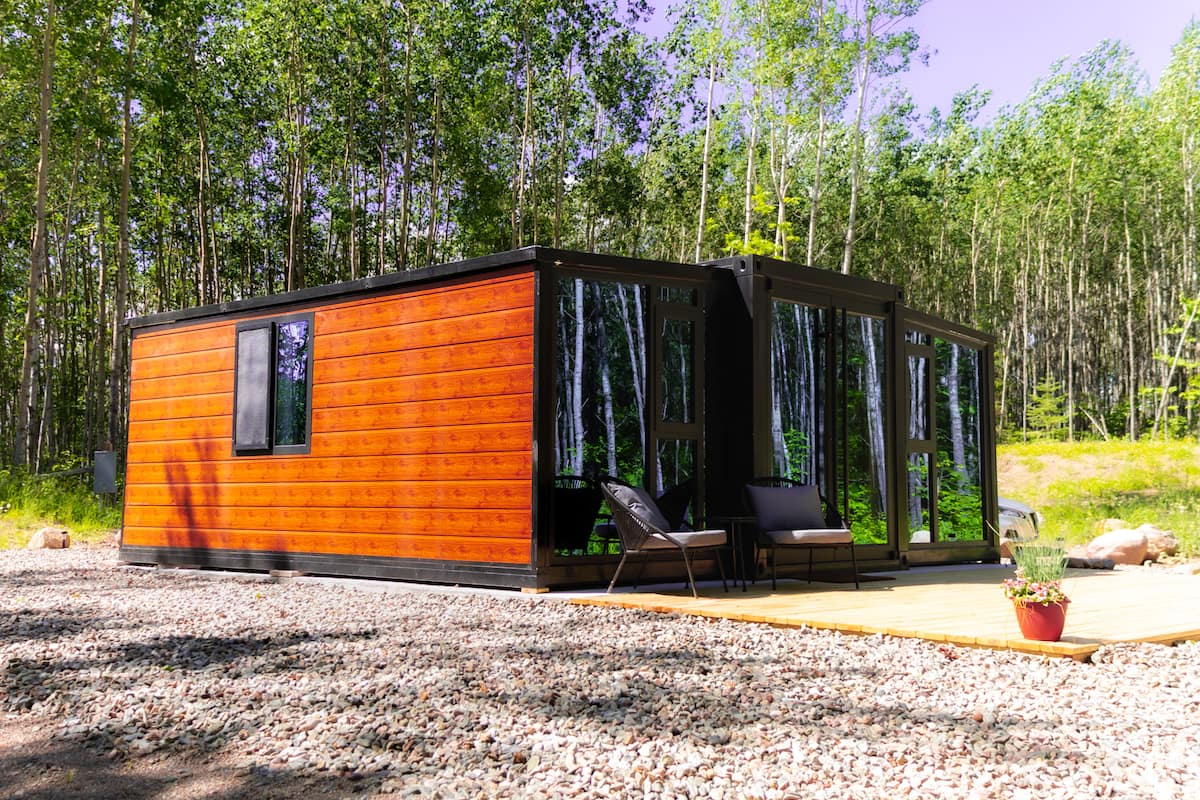
Before you pay a deposit, ensure the house can legally "exist" on your land.
Zoning & Permits: Check with your local Municipality or City Council. Ask if your land is zoned for "Temporary Structures" or "Accessory Dwelling Units (ADUs)."
Certifications:
USA/Canada: Ask for UL Certification (especially for electrical components).
Europe/Australia: Ask for CE or SAA/C-Tick (Australian electrical standards).
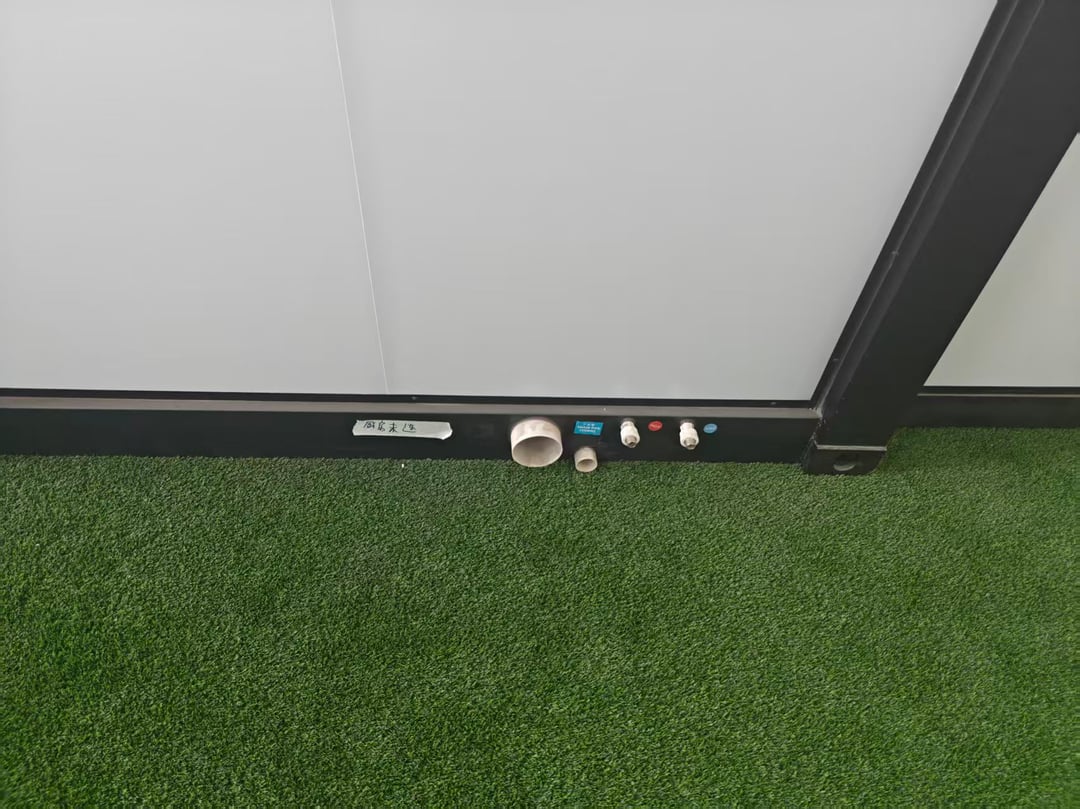
Pro Tip: If the factory cannot provide electrical certification for your country, ask them to install the conduits (pipes) only—no wires or sockets. Hire a licensed local electrician to wire the house upon arrival to ensure it passes inspection.
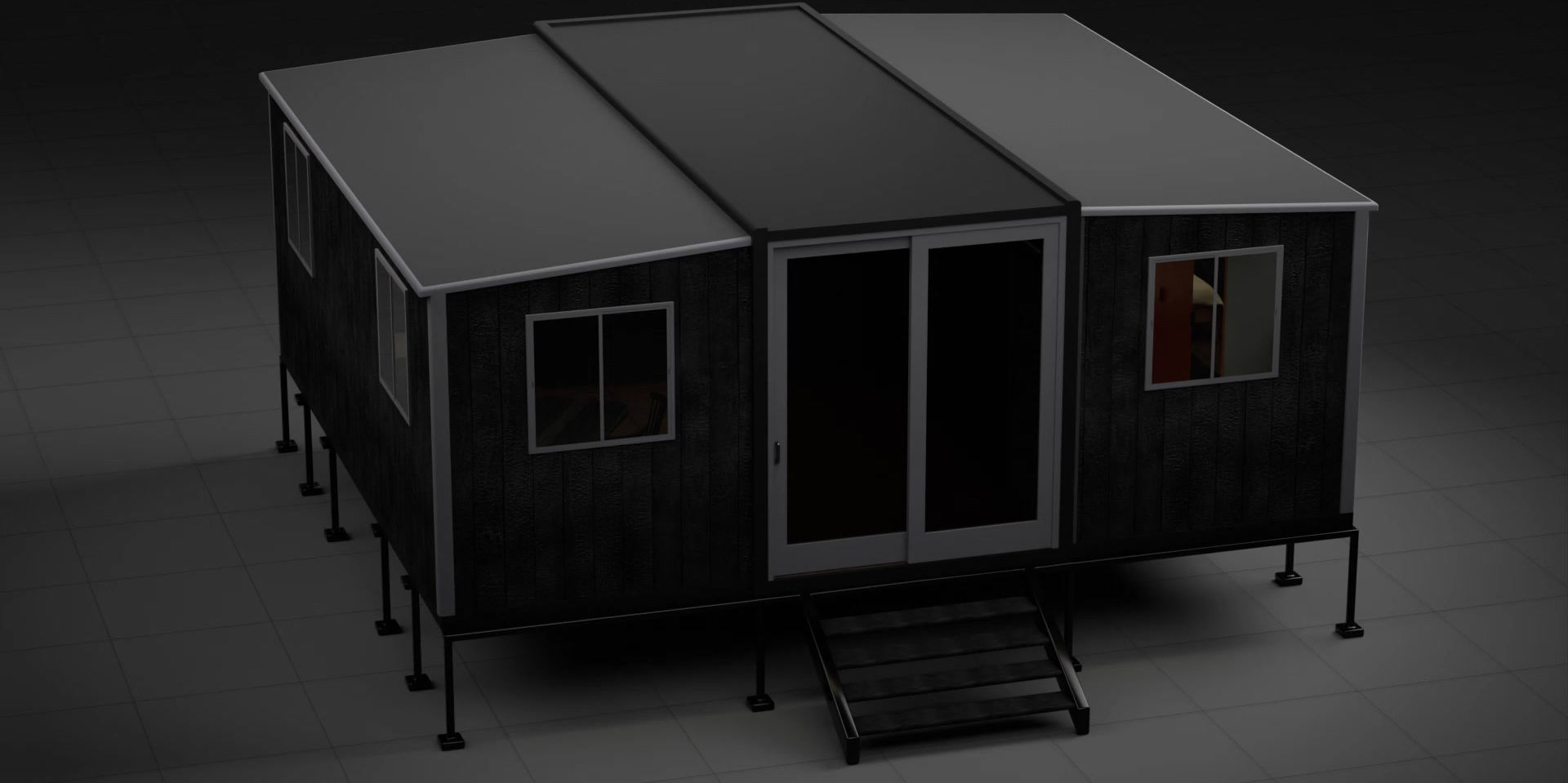
Don't just rely on photos. Ask the sales representative these specific questions:
"Can you show me a video of the water spray test?" (Reputable factories test every unit for leaks before packing.)
"How is the hinge system treated against rust?" (If the hinges rust, the house won't expand.)
"Do you provide a detailed installation manual or video?" (Without this, your local contractor will struggle to unfold the house.)
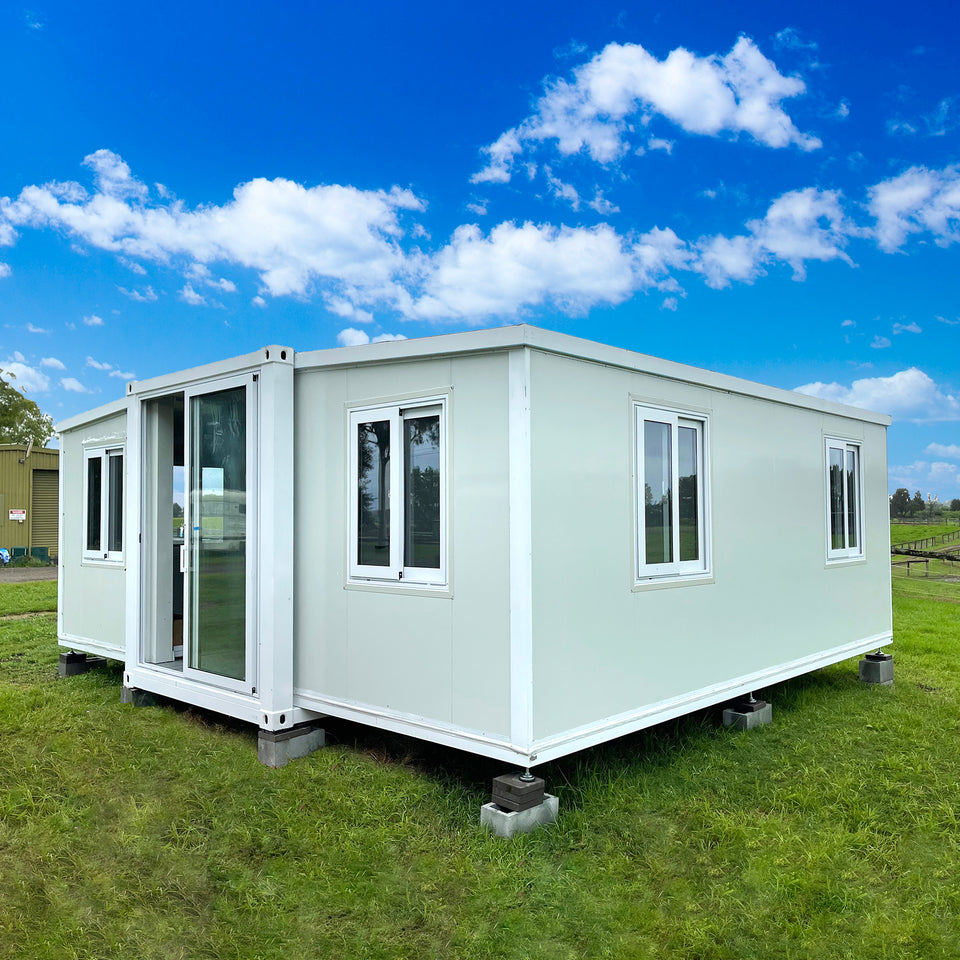
Loading: Typically, a 40HQ (High Cube) container fits 2 units of standard expandable houses. If you only buy one, the shipping cost per unit is very high. It is often better to buy two or share a container.
HS Code: The standard code is usually 9406.90 (Prefabricated Buildings). Check with a local customs broker for tariff rates (especially in the US, where extra Section 301 tariffs may apply).
Unloading Equipment: These units arrive "folded" and are very heavy (2-3 tons). You must rent a Crane or a heavy-duty forklift for the delivery day. The truck driver will not unload it for you.